
The surprising thing about grief is that it cracks you open for joy.
The other day, I spoke with a family member watching their loved one deteriorate. The granddaughter lives out of state and had come for a week long stay. She and I were watching her grandma be helped into bed, a task she had done alone thousands of times, but now is unable to do alone. “I’ve been crying all week,” granddaughter said, liquid again pooling in her eyes. She stopped, embarrassed to be crying in front of a stranger.
“There’s an element of anticipatory grief, where you know the end is nearing,” I said gently. “There’s also the losses you see; even if it’s not death, it’s the loss of memories, of abilities. That’s also grief. She’s not the person she used to be, and that’s hard to watch.”
Tears slipped out of mascara rimmed eyes. Too choked to speak, her eyes said, “Thank you for understanding me.” She watched her beloved grandma curl up in bed and instantly fall asleep. Her grandma still remembers who she is, but maybe she won’t next week. The losses accumulate until they will culminate.
And it’s so hard.
The thing we often miss about grief is this: rushing to console is not comforting. Grief has stages, involving denial, anger, bargaining, and acceptance. Sometimes we bounce around in the stages, morphing between bargaining and anger. There are no shortcuts through the stages. To experience a healthy acceptance, you must fully go through each stage. Allowing a person to fully feel each stage is a gift, because eventually, they will emerge on the other side, baptized by the turbulent river of grief, but a new person.
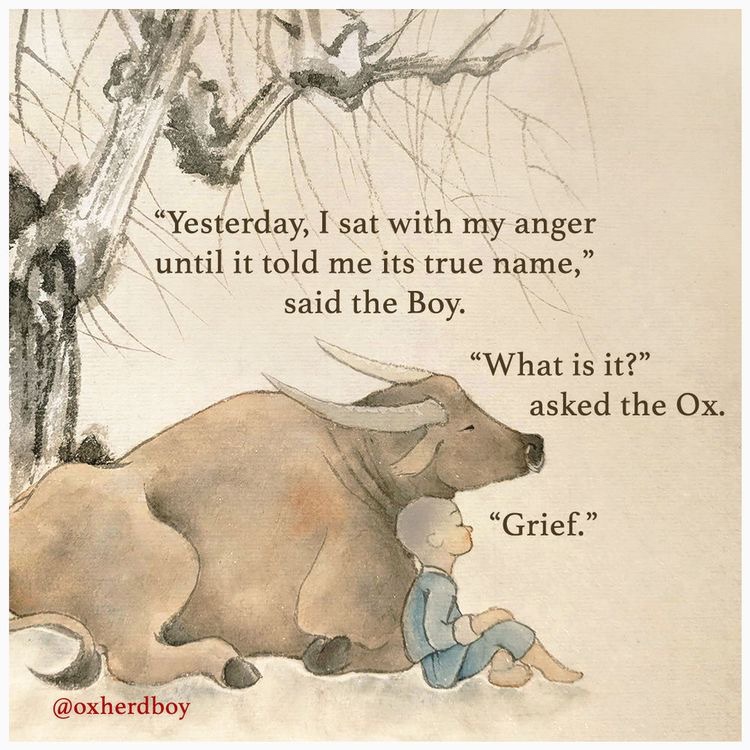
We understand that for a child to develop, they progress through stages. First they are focused on meeting their instant physical needs and bonding with that wonderful milk-scented thing called Mom. Then they discover fingers and toes, their own persona. Eventually they discover Mama’s kitchen bowls, and walking, and their own ideas. Eight year olds love games and activity; teenagers are consumed with identity and eventually a drive for intimacy. You wouldn’t tell your 4 month old, “Quit sleeping so much, it’s time to sign up for soccer!” They will get there, eventually, without you pushing them along.
So too with grief. Acknowledge their baby-stage grief. They are not yet ready for grief’s resolution. They are still dipping toes in that cold river of grief. Soon they will swim, waves over their head, unable to see. But they will not drown. They will make it across. And they will be new, and whole again, despite their losses.
I’ve been a caregiver in long term care for six years. I can say, from the bottom of my heart, it has changed me for the better. I’ll never forget the first patient who wiggled her way into my heart and what it felt like to lose her. She was a tiny little muffin, with sky blue eyes and the best laugh. She and I would sing jingle bells together while I put on her shoes and socks. I’d ask her, “How did your eyes get so blue?” She’d say, “Beer,” and we’d both laugh. I curled her snow white hair, painted her nails burgundy, and kept singing with her. One cold morning I arrived at work and the ambulance lights filled up the parking lot. Inside, I asked, “Why is the ambulance here?” They had picked up my little lady, and she was transported to the hospital. She never came back.
I was overwhelmed with profound sadness that lingered for months. “That’s why you don’t get attached to them, because you know they won’t live forever,” I told myself. “Why did I let myself get attached?” After months of this, I started googling Caregiver Burnout, Compassion Fatigue, and similar topics. I finally felt understood, even by a paper-white clinical diagnosis. It allowed me to let go and move on.
Through time and experience, I’ve learned this: they are not ours to keep. They are butterflies awaiting their final flight. We love them for where they are at, but when the butterfly flies, we cannot contain them.

The best gifts for the one grieving is to meet them as they are. Don’t push them faster through the river, but support them as they swim. When they emerge, they will have a greater sense of joy. Yes, we lost them, but they weren’t ours to keep. We are grateful for their opportunity of flight. And with this release comes a new emergence of the joy of living today.
Resources: Surprised by Joy, C. S. Lewis
 Tapestry Tales
So true! And so beautiful! Thanks, again, Kristina!
LikeLiked by 1 person